
A strategy lab for metropolitan leaders facing today’s
toughest city-shaping decisions.
An Executive Seminar from the LBJ School of Public Affairs
April 8-9, 2026
Thompson Center, University of Texas at Austin
Led by the LBJ Urban Lab and the LBJ Center for Municipal Capital Markets,
in collaboration with the Texas Real Estate Center and IC2
Agenda
Day 1: Leading Texas Cities Through Growth & Change
8:00–8:10 AM
Arrival and Breakfast
8:15–9:00 AM
A Leadership Moment for Texas Cities
Big question: What leadership capacity will Texas cities need to navigate the next era of metropolitan growth?
- Moderator: Ryan Streeter, Director, Civitas Institute
- Joel Kotkin, Senior Research Fellow at the Civitas Institute
9:00–10:00 AM
Governing for Alignment: How Austin Designed a Scalable Workforce Engine
Big question: How can public leaders move beyond fragmented workforce efforts and govern for alignment across education, industry, and economic strategy?
The Austin Infrastructure Academy is built to train 10,000 workers a year to meet the region’s infrastructure demands. But the deeper lesson is how Austin embedded workforce strategy into capital planning and institutional governance. This session explores how city executives build durable cross-sector systems that drive outcomes—at speed and at scale.
- Laura Huffman, Partner, CivicSol
- Cesiah Kessler, President, Kessler Group
10:00–10:15 AM
Break
10:15–11:30 AM
Building Innovation Districts That Matter: Strategic Lessons from St. Louis
Big question: How can public leaders shape innovation ecosystems that actually deliver on jobs, growth, and reinvestment—not just real estate plays?
St. Louis offers one of the country’s most effective models for place-based innovation—each forged through civic leadership, land strategy, and institutional leverage. This session moves beyond buzzwords to focus on what makes districts durable: aligned governance, value capture, and an economic theory of change.
- Steven Pedigo, Professor of Practice, LBJ School
- Sam Fiorello, President & CEO, Corex Innovation District
11:30 AM–12:15 PM
Fireside Conversation: Texas’s Growth Agenda—Aligning Statewide Strategy and Local Action Henry Cisneros
Big question: How can Texas cities align local action with statewide priorities to manage explosive growth?
- JR DeShazo, Dean, LBJ School
- Henry Cisneros, Former U.S. HUD Secretary
12:15–1:30 PM
Lunch + Peer Exchange: Making State Strategy Local
Big question: How can local leaders translate statewide goals into practical action, and what’s getting in the way?
This moderated working lunch gives participants a chance to reflect on the morning sessions and the state’s economic priorities. Through table-level discussions, leaders will unpack how their city or agency is approaching capital planning, investment readiness, and public finance—and identify where they need new tools, partners, or political strategies to move faster.
- Facilitator: Carlton Schwab, President, Texas Economic Development Council
1:30–2:45 PM
The AI Disruption: What It Means for Texas Cities and Their Workforce
Big question: How will AI reshape local labor markets, and what can city leaders do now to prepare?
Artificial intelligence is already transforming industries, reshaping skills demand and putting pressure on local workforce systems. For Texas cities, the question is not if disruption will come, but how to adapt—at speed and at scale. This session unpacks the latest evidence on AI’s impact on Texas industries and explores what local leaders can do to respond. From reskilling and education partnerships to economic diversification and employer engagement, participants will examine practical strategies to future-proof their workforce while ensuring inclusive opportunity.
- Sherri Greenberg, Professor of Practice, LBJ School
2:45–3:00 PM
Break
3:00–4:00 PM
Leading Through Complexity: Building High-Performing Public Organizations
Texas cities are growing rapidly and facing increasingly complex challenges—from infrastructure and housing to economic competitiveness and environmental pressures. At the same time, public leaders must navigate political polarization, rising public expectations, and limited institutional capacity.
This session explores how the demands of public leadership are changing in response to these pressures. Drawing on research and experience in public management, the discussion will focus on how leaders guide complex organizations, align teams around clear priorities, and deliver results in dynamic political environments.
Participants will gain practical insights into building high-performing public organizations, strengthening accountability, and leading effectively through uncertainty.
- Facilitator: Don Kettl, Professor Emeritus, University of Maryland
4:00–5:00 PM
Networking Reception
Day 2: Building Investment-Ready Texas Cities
8:00–8:30 AM
Peer Exchange: Leading Through Growth Pressures
Big question: What are the toughest strategic decisions you’re facing—and how are other cities navigating the same terrain?
This facilitated peer session is a space for candid exchange—on managing growth, balancing political risk, and finding traction across silos. No slide decks. Just real insights from fellow city, economic, and policy leaders facing the same crosscurrents.
- Facilitator: Pamela Foster Brady, Director, Executive Education, LBJ School of Public Affairs
8:30–9:45 AM
Capital at Work: How Cities Tap Financial Markets to Build
Big question: How do senior leaders make capital investment a driver of strategy—not just a technical exercise?
As cities manage new bonds, federal and private dollars, emerging financial instruments, and growing infrastructure backlogs, this session explores how capital is raised, how risk is managed, and how leaders govern toward long-term value.
- Martin Luby, Director, CMCM
9:45–10:00 AM
Break
10:00–11:15 AM
Planning Capital Investments That Drive Outcomes
Big question: How can leaders better leverage the private sector to meet their capital needs and reduce overall risk to their communities?
This session examines how cities access different stacks of capital and utilize alternative financing arrangements to mitigate risk, align projects with strategic priorities, build internal buy-in, and sequence investments that shape workforce, housing, and resilience agendas.
- Paul Jack, Senior Managing Director, TRB Capital Markets
11:15 AM–12:30 PM
Peer Exchange: Readiness, Capital, and Leadership Under Pressure
Big question: What trade-offs are leaders making today to keep growth on track, and what lessons are emerging in real time?
Through candid discussion, participants share how they’re managing risk, communicating value, and driving progress across finance, planning, and policy teams.
- Kimberly Olivares, CFO, City of Austin
12:30–1:30 PM
Lunch + Leadership Panel: Managing Growth in Real Time
Big question: What does it take to lead through growth pressures—not just manage them?
Texas city managers and senior public leaders reflect on what it means to lead in high-pressure environments. Topics include executive team alignment, community expectations, fiscal discipline, and institutional capacity.
- Gina Nash, City Manager, City of Sachse (Moderator)
- David Morgan, City Manager, City of Georgetown
1:30–2:40 PM
Powering Growth in a Carbon Economy: Local Strategy in State and Regional Grids
Big question: How can cities support economic growth, electrification, and climate goals when grid planning and transmission investment are largely controlled at the state level?
Rising electricity demand—from data centers, electrification, and clean industry—is quickly becoming a binding constraint on local economic development. This session explains how carbon management, grid capacity, and transmission planning intersect with city-level growth ambitions, even when cities do not control the grid. Participants will explore how municipal leaders can engage utilities, state agencies, and private investors early to align infrastructure planning with site readiness, reliability, and long-term competitiveness.
- Andrew Waxman, Associate Professor, LBJ School of Public Affairs, UT Austin
- Joshua Rhodes, Research Scientist, Webber Energy Group, UT Austin
2:40–3:50 PM
Land Use After the 89th Legislature: What’s Changed and What’s Next
Big question: What’s the new playbook for local land use strategy in a post-reform Texas?
With new legislation reshaping zoning, permitting, and housing policy, cities need a new set of tools. This session focuses on how leaders are adapting, and what governance, legal, and strategic options remain on the table.
- Jake Wegman, Associate Professor, Communication and Regional Planning, UT Austin
3:50–4:05 PM
Break
4:05–5:15 PM
Affordable Housing That Scales: Tools That Work in Real Cities
Big question: What models are actually producing housing, and how can leaders scale what works in politically real and fiscally smart ways?
From land trusts and P3s to locally driven mixed-income models, this session focuses on the governance structures, funding stacks, and delivery models that are getting housing built.
- Monica Medina, CEO, Texas Housing Conservancy
- David Steinwedell, Board Chair, Texas Housing Conservancy
5:15–5:30 PM
Closing Session: Scaling What Works
Big question: What tools, frameworks, and ideas from the past two days are worth scaling across Texas cities?
This closing discussion synthesizes lessons and next steps, focused on what leadership in this moment demands.
- Steven Pedigo, Assistant Dean and Professor of Practice, LBJ School of Public Affairs, UT Austin
Speakers
The initiative brings together the people who know Texas cities best
- LBJ and UT faculty — leading experts in public finance, economic development, and urban policy
- Practitioners and executives — decision-makers who have led the very cases we will examine, from workforce academies to major infrastructure deals
- City leaders and policymakers — mayors, city managers, and public officials sharing firsthand lessons from navigating growth and governance
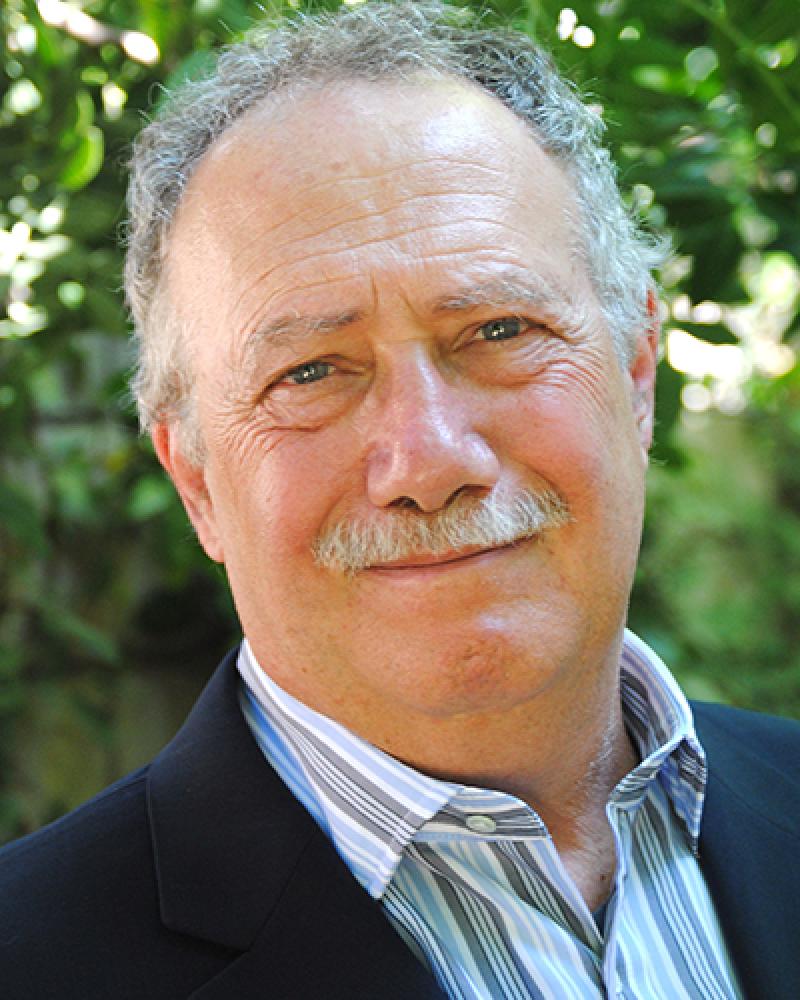
Joel Kotkin
Senior Research Fellow
Civitas Institute | The University of Texas at Austin
Bio
Joel Kotkin is a senior research fellow at the Civitas Institute. He is also the Roger Hobbs Presidential Fellow in Urban Futures at Chapman University where he directs the University’s Center for Demographics and Policy. He is also executive editor of the widely read website NewGeography.com. His columns appear regularly in Spiked (U.K.), the National Post in Canada, the American Mind, UnHerd, Quillette, the Los Angeles Times, National Review, City Journal, The Daily Telegraph and The Spectator among other national publications.
Kotkin is the author of many books, including (Encounter Books, 2020); (Agate B2, 2016); and (Telos Press Publishing, 2014), which describes the changing dynamics of class in America. He is the co-editor of (American Enterprise Institute, 2022) which he co-edited with Ryan Streeter, executive director of the Civitas Institute; and (Princeton Architectural Press, 2017) which he co-edited with MIT’s Alan Berger. Kotkin attended the University of California, Berkeley.
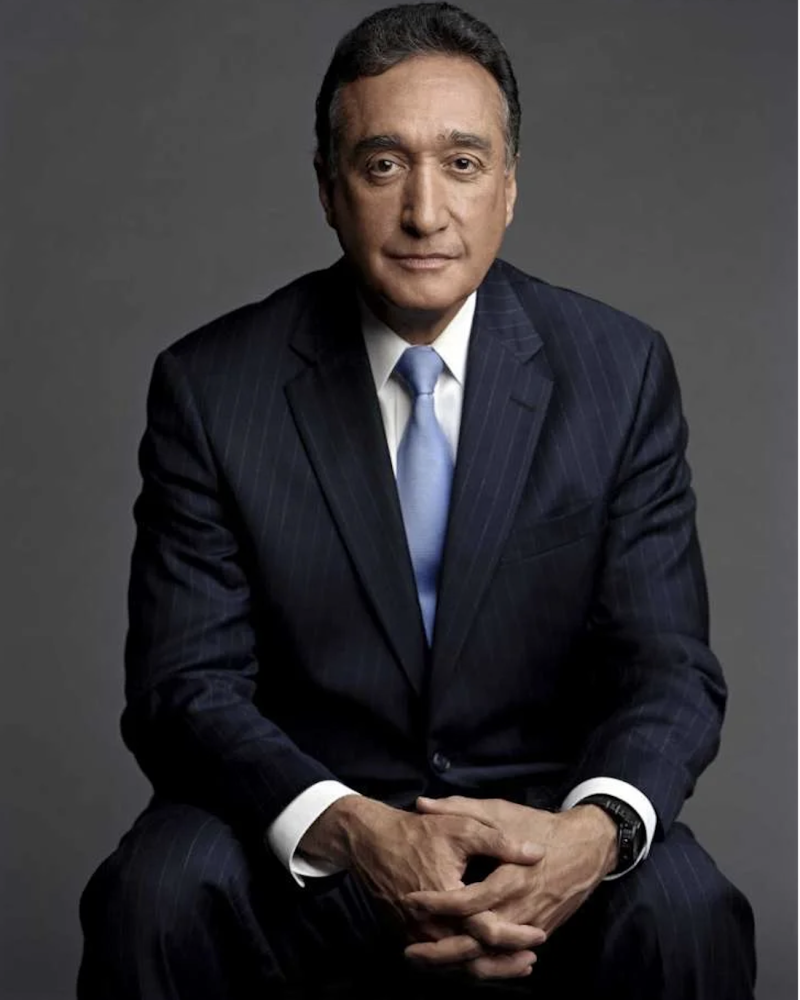
Henry Cisneros
Chairman of American Triple I
Former US HUD Secretary and former Mayor of San Antonio
Bio
Henry Cisneros is Chairman of American Triple I, an infrastructure investment firm based in New York. He is also a Vice Chairman of the Board of Directors & Equity Owner of Shank Williams Cisneros & Co., L.L.C, and Principal of Siebert Williams Shank & Co., LLC. a national municipal and corporate finance firm. Mr. Cisneros founded CityView in 2003 and continues to actively invest in its projects. CityView is a partner in building more than 100 communities in 13 states, building more than 7,000 homes with a total value of over $5 billion.
Mr. Cisneros’ community-building career began at the local level. After serving three terms as a City Councilmember, in 1981, Mr. Cisneros became the first Hispanic-American mayor of a major U.S. city, San Antonio, Texas. During his four terms as Mayor, he helped rebuild the city’s economic base and spurred the creation of jobs through massive infrastructure and downtown improvements.
In 1984, Mr. Cisneros was interviewed by the Democratic Presidential nominee as a possible candidate for Vice President of the United States and in 1986 was selected as the “Outstanding Mayor” in the nation by City and State Magazine. After completing four terms as Mayor, Mr. Cisneros formed Cisneros Asset Management Company, a fixed income management firm operating nationally and ranked at the time as the second fastest growing money manager in the nation.
In 1992, President Clinton appointed Mr. Cisneros to be Secretary of the U.S. Department of Housing and Urban Development. As a member of President Clinton’s Cabinet, Secretary Cisneros has been credited with initiating the revitalization of many of the nation’s public housing developments and with formulating policies which contributed to achieving the nation’s highest ever homeownership rate. In his role as the President’s chief representative to the nation’s cities, Mr. Cisneros personally worked in more than 200 U.S. cities in every one of the 50 states.
After leaving HUD in 1997, Mr. Cisneros was president and chief operating officer of Univision Communications, the Spanish-language broadcaster which has become the fifth-most-watched television network in the nation. Mr. Cisneros served on Univision’s Board of Directors until 2020. Mr. Cisneros has served as President of the National League of Cities, as Deputy Chair of the Federal Reserve Bank of Dallas, and as Vice-Chairman of Habitat for Humanity International. Mr. Cisneros remains active in San Antonio’s leadership where he is former Chairman of the San Antonio Chamber of Commerce, the San Antonio Economic Development Foundation, the San Antonio Hispanic Chamber of Commerce, and BioMed SA. He is a former member of the advisory board of the Bill and Melinda Gates Foundation. Mr. Cisneros has been inducted into the National Association of Homebuilders (NAHB) “Builders Hall of Fame”.
Mr. Cisneros has also been author or editor of several books including: Interwoven Destinies: Cities and the Nation. His book project with former HUD Secretary Jack Kemp, Opportunity and Progress: A Bipartisan Platform for National Housing Policy, was presented the Common Purpose Award for demonstrating the potential of bipartisan cooperation and Casa y Comunidad: Latino Home and Neighborhood Design was awarded the Benjamin Franklin Silver Medal in the category of best business book of 2006. In 2017 he co-authored Building Equitable Cities. In 2021 he co-authored A Bottom-Up Infrastructure Strategy for American Renewal and The Texas Triangle: An Emerging Power in the Global Economy.
Mr. Cisneros holds a Bachelor of Arts and a master’s degree in Urban and Regional Planning from Texas A&M University, where he has been designated a Distinguished Alumnus. He earned a Master’s degree in Public Administration from Harvard University, was a graduate assistant in urban economics at the Massachusetts Institute of Technology, holds a Doctorate in Public Administration from George Washington University, and has been awarded more than 20 honorary doctorates from leading universities. Texas A&M University at San Antonio is the site of the Cisneros Center for Emerging Leaders.
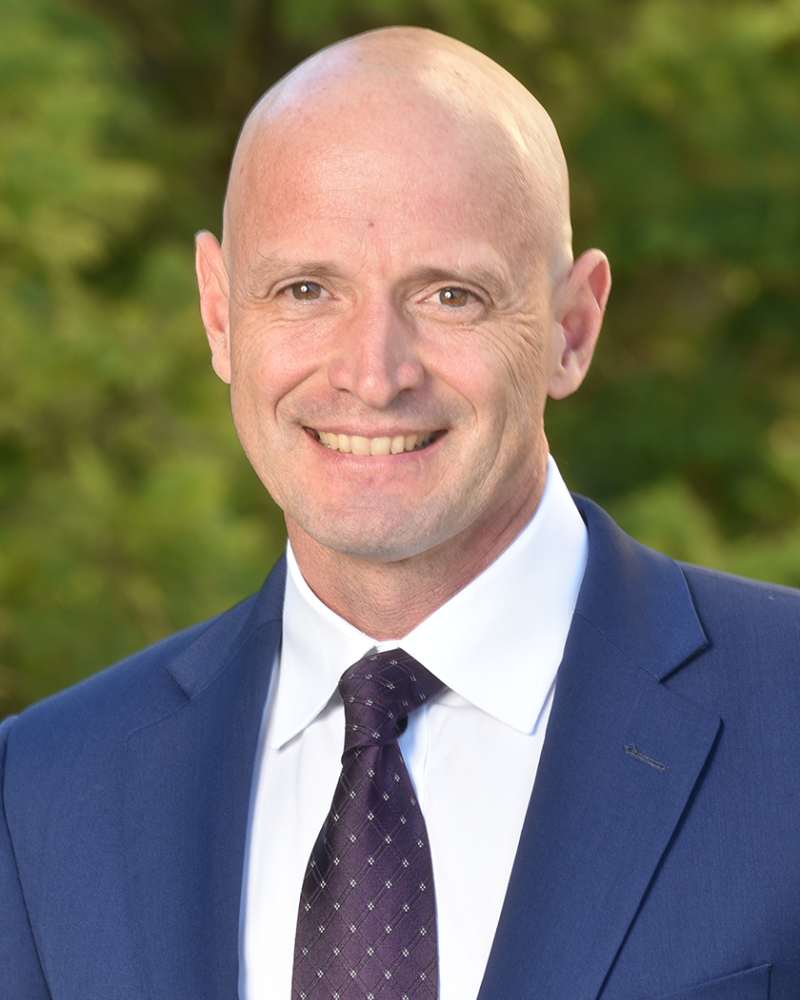
JR DeShazo
Dean, LBJ School of Public Affairs | The University of Texas at Austin
JJ “Jake” Pickle Regents Chair in Public Affairs
Lyndon B. Johnson Centennial Chair in National Policy
Bio
As the 12th dean of the Lyndon B. Johnson School of Public Affairs at The University of Texas at Austin, JR DeShazo leads one of the nation’s premier public policy schools, ranked No. 1 in Texas and uniquely positioned within a top-tier research university in one of America’s most innovative hubs of government, commerce and technology. Founded in 1970 by President Lyndon B. Johnson to expand access to the halls of power, the LBJ School offers a range of nationally ranked degree programs that prepare students to take on society’s most pressing challenges.
Since arriving in Austin in 2021, DeShazo has bolstered the LBJ School’s reputation as a center for impactful policy education and research – mirroring the rising global profile of UT Austin. His focus on expanding academic reach, enhancing faculty research and enriching the student experience has driven growth in enrollment, research output, financial stability and academic programming.
Under DeShazo’s leadership, the LBJ School launched its first undergraduate program, the Bachelor of Public Affairs, in fall 2025. This landmark initiative represents the school’s inaugural foray into undergraduate education after over 50 years of exclusively graduate-level offerings. The new program builds on the school’s legacy of cultivating public service leaders by equipping students with essential skills in policy analysis, data analytics, communication and organizational leadership.
A distinguished scholar and public policy expert, DeShazo specializes in clean technology policy, environmental equity and environmental economics. His expertise has made him a sought-after advisor for prestigious international organizations, including the World Bank and the United Nations, as well as U.S. federal agencies like the National Science Foundation and the Environmental Protection Agency.
Before joining UT Austin, DeShazo spent two decades at the University of California, Los Angeles (UCLA), where he led both the Department of Public Policy and the Luskin Center for Innovation, a research center dedicated to addressing challenges local to California through actionable research in collaboration with impacted communities and policymakers. During this time, DeShazo and the Luskin Center played a critical role in helping state and civic leaders develop new policies in a variety of areas, including energy, transportation, environmental issues and water resources.
DeShazo’s academic career and leadership journey have been shaped by his experiences overcoming a childhood learning disability, which continues to fuel his passion for expanding educational access and opportunities. DeShazo holds a doctorate in Urban Planning from Harvard University, a Master of Development Economics from Oxford University and a bachelor’s degree from the College of William & Mary, where he was the first-ever Rhodes Scholar for America’s second oldest university.
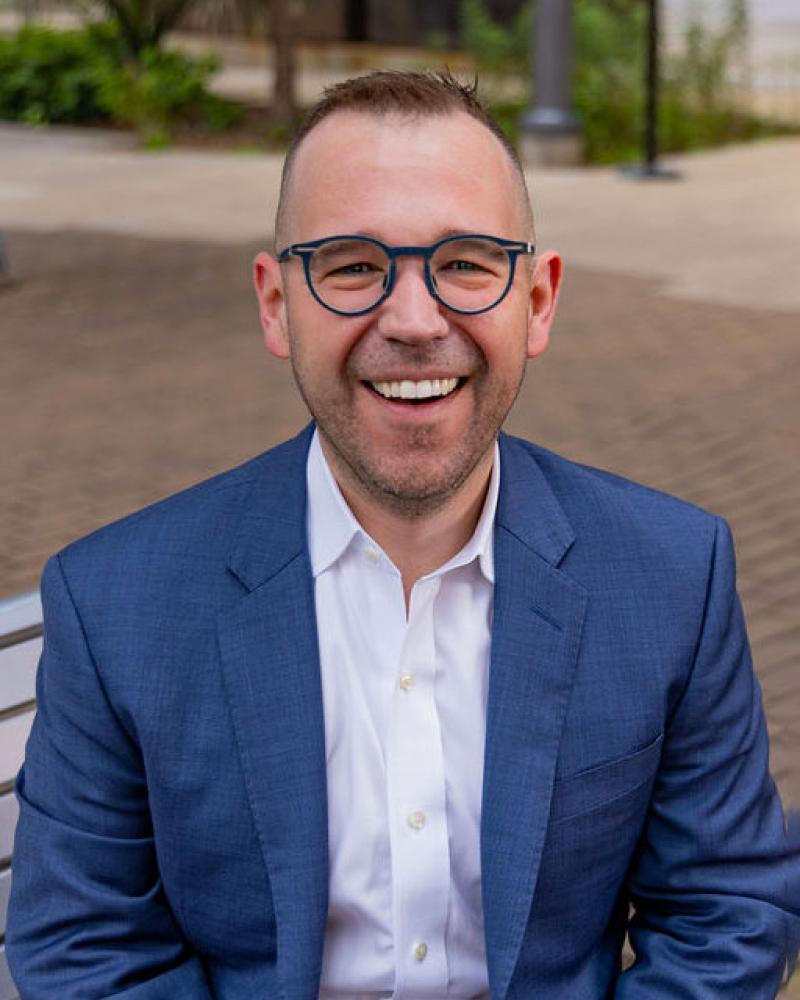
Steven Pedigo
Professor of Practice
LBJ School | The University of Texas at Austin
Bio
Steven Pedigo is the Assistant Dean for Faculty of Practice and Policy Engagement at the Lyndon B. Johnson School of Public Affairs at The University of Texas at Austin and the director of the LBJ Urban Lab.
As an expert in urban economic development, regional cooperation and placemaking, Pedigo has developed strategies for more than 50 cities and regions in the United States and other countries, including New York, Jerusalem, Vancouver, Dallas, Washington, DC, Brisbane, the Yukon, Tulsa, Austin, Portland, Newark, San Diego-Tijuana, Miami, Sao Paulo, Monterrey, Mexico City and many others.
Prior to joining the LBJ School, Pedigo was clinical professor at the Schack Institute of Real Estate at New York University.
Earlier in his career, he served as vice president for the Initiative for a Competitive Inner City (ICIC), a national research organization founded by Harvard Business School professor Michael Porter to encourage private-sector investment into U.S. distressed urban areas.
Pedigo holds a bachelor's degree from The University of Texas at Austin and graduate degrees from the H. John Heinz III School for Public Policy and Management at Carnegie Mellon University and the University of Illinois at Urbana-Champaign.

Sherri Greenberg
Professor of Practice
LBJ School | The University of Texas at Austin
Bio
Sherri R. Greenberg is a professor of practice and fellow of the Max Sherman Chair in State and Local Government at the LBJ School of Public Affairs, and she is a professor of practice at the Steve Hicks School of Social Work. Additionally, she is the LBJ School Assistant Dean for State and Local Government Engagement. She is a primary researcher for, and is Chairperson elect of, Good Systems, The University of Texas Grand Challenge regarding ethical AI. Greenberg is a member of the Board of the Austin Convention Center Enterprise. She also serves on the Austin Smart City Alliance Board of Directors, and the Austin Forum on Technology & Society Advisory Board. Previously, she was a member of the Central Health Board of Managers, and a member of the City of Austin Housing Investment Review Committee.
Greenberg has served as a senior advisor to Austin Mayor Steve Adler. She was a Texas state representative from 1991 to 2001, and she chaired the House Pensions and Investments Committee and the Select Committee on Teacher Health Insurance. She also served on the House Appropriations, Economic Development, Elections, and Science and Technology Committees. Previously, Greenberg was the City of Austin capital finance manager, and a public finance officer at Standard & Poor’s.
Her teaching and research interests include: technology policy, state and local government, housing, homelessness, transportation, healthcare, public finance, and campaigns and elections. Recently, she has had funding from the National Science Foundation, the City of Austin, UT Good Systems, the IBM Center for the Business of Government, the Cisco Foundation, Microsoft, MITRE, and the State of Texas.

Marty Luby
Associate Professor
Director of Center on Municipal Capital Markets
Bio
Martin J. Luby held academic positions at the University of Illinois, DePaul University, and Ohio State University before joining The University of Texas at Austin faculty as an associate professor of public affairs. His teaching and research broadly focus on public finance, with an emphasis on public financial management. Much of his research has focused on the municipal securities market and the use of debt finance by state and local governments. He has published on innovative government financial instruments, federal financing techniques, regulation of the municipal securities market, and the role of financial intermediaries in state and local government financings.
Marty has extensive banking, consulting, and advisory experience with many state and local governments, as well as the federal government. He is also a fellow of the Lynn F. Anderson Professorship in Public Financial Management.
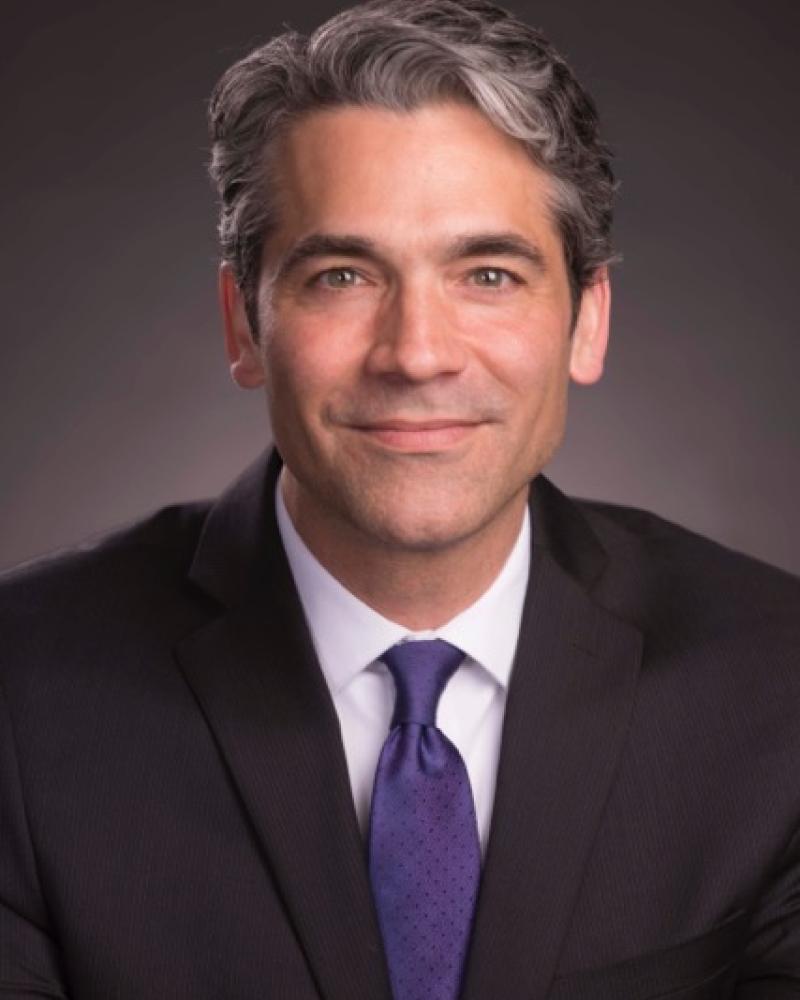
Ryan Streeter
Executive Director
Civitas Institute
Bio
Ryan Streeter is executive director of the Civitas Institute. Previously, Streeter was the State Farm James Q. Wilson Scholar and director of domestic policy studies at the American Enterprise Institute (AEI), where he facilitated research in education, technology, housing, urban policy, poverty studies, workforce development, and public opinion. Before joining AEI, he was executive director of the Center for Politics and Governance at UT Austin.
Earlier in his career, Streeter was a senior fellow at the Legatum Institute in London and a research fellow at the Hudson Institute. He also served as special assistant for domestic policy to President George W. Bush at the White House, deputy chief of staff for policy for Indiana Governor Mike Pence, and policy adviser to Indianapolis Mayor Stephen Goldsmith. Streeter is the author, coauthor, and editor of many books, including (AEI Press, 2024) which he co-edited with Scott Winship and Yuval Levin, and , (AEI Press, 2022) which he co-edited with Joel Kotkin.
In addition, his writings have appeared in The Washington Post, The Wall Street Journal, The Atlantic, Politico, USA Today, The Hill, City Journal, National Affairs, and National Review, among others. He has a Ph.D. in political philosophy from Emory University.
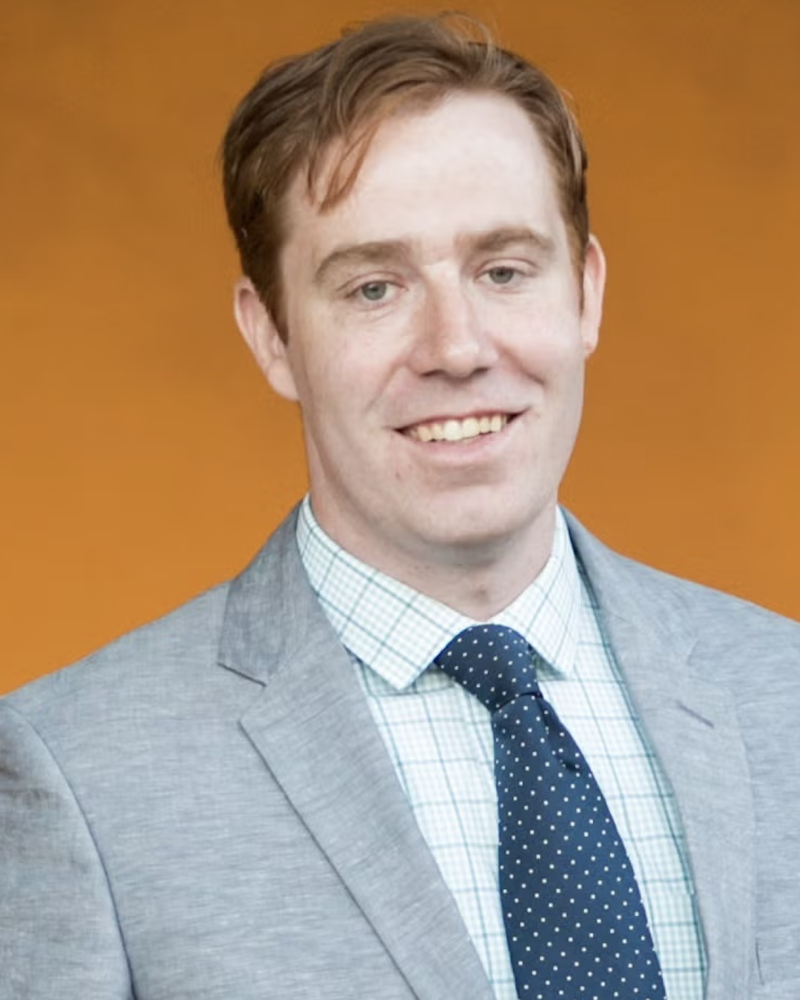
Andrew Waxman
Associate Professor
LBJ School | University of Texas at Austin
Bio
Andrew Waxman is an applied microeconomist examining the relationship between environmental outcomes, urban policies and inequality. Much of his work consists in trying to think about how household location decisions of place of work and residence have implications for levels of emissions from home electricity usage as well as from commuting using personal vehicles. The link between these sectors has important implications for the design of cities and for understanding the full effects of policies targeting housing or transportation. Dr. Waxman has also studied real-time pricing of congested freeways in Los Angeles and has worked on research exploring how public transportation capacity in cities affects the welfare of high- and low-skilled workers.
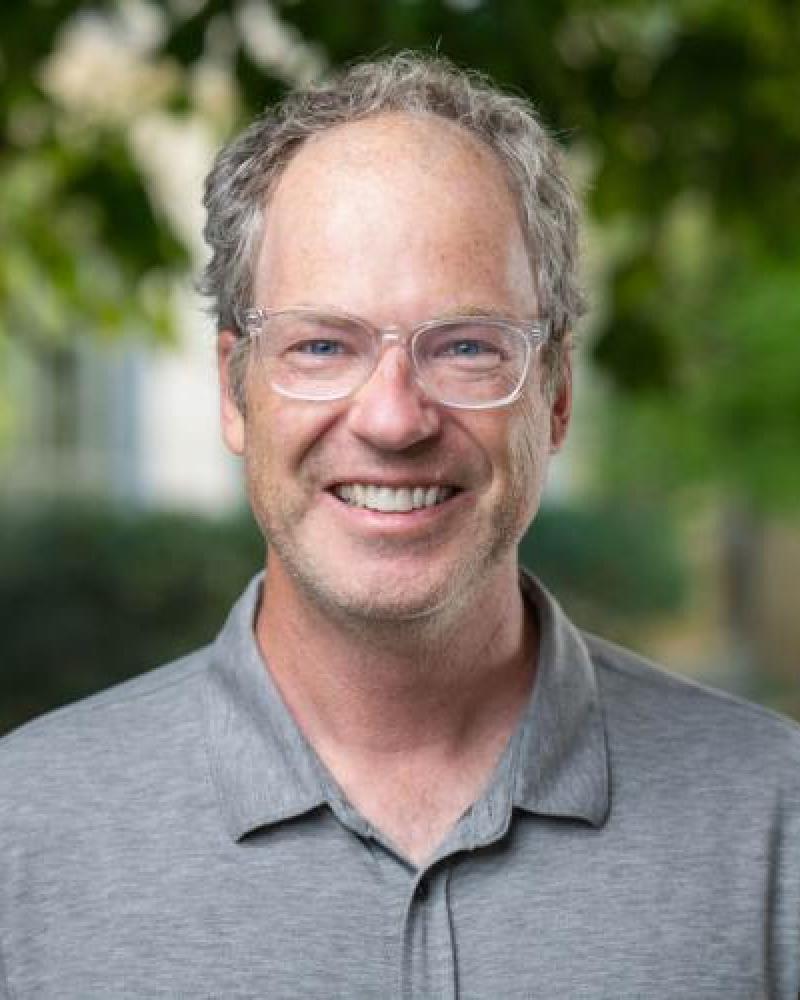
Jake Wegmann
Associate Professor, Community and Regional Planning
School of Architecture | The University of Texas at Austin
Bio
Jake Wegmann has taught and conducted research at UT Austin’s School of Architecture, in the Community and Regional Planning program, since 2014. His research primarily focuses on housing affordability and its intersections with land use regulation and real estate development.
He received his Ph.D. from the University of California, Berkeley. Prior to entering academia, he worked in for-profit and nonprofit affordable housing development in Denver and San Francisco.
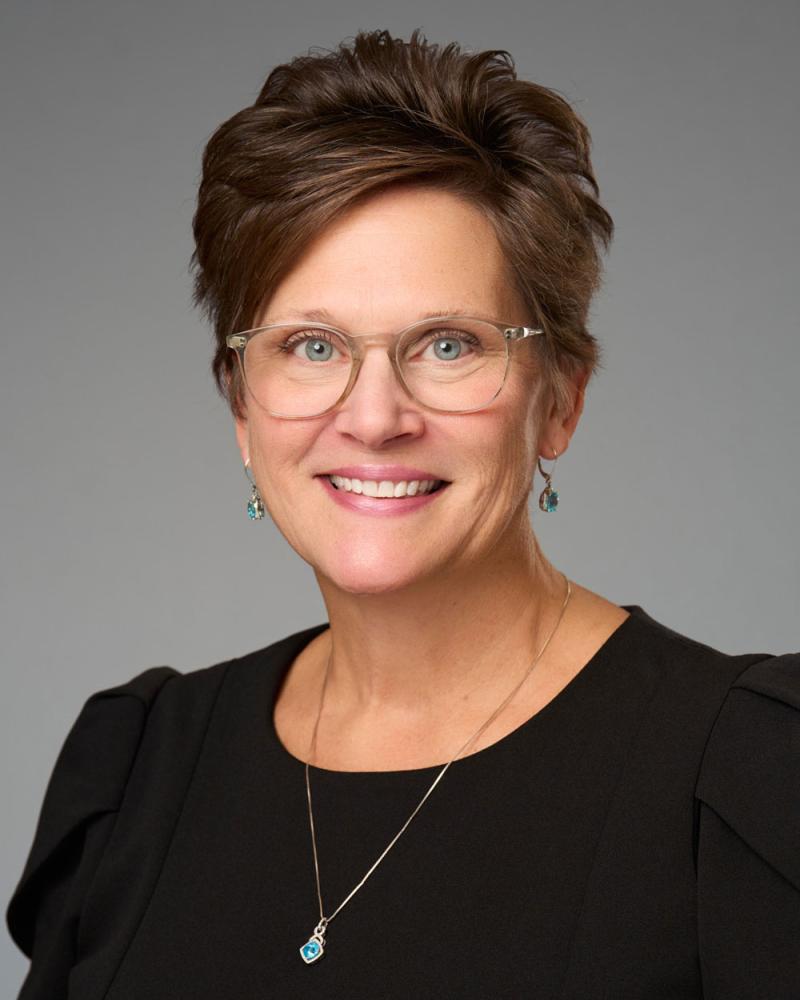
Pamela Foster Brady
Director, Executive Education
LBJ School | The University of Texas at Austin
Bio
Pamela is currently responsible for leading the Governor’s Center for Management Development – a 40-year-old program created to provide professional development for managers and leaders at all levels of the state government to improve individual and organizational effectiveness.
Previously, Pamela served as the program director for the executive MBA program at The University of Texas at Dallas, Naveen Jindal School of Management. She closely collaborated with faculty on curriculum and ensured AACSB accreditation requirements were achieved. She has led and coordinated international study tours to Argentina, Australia, Belgium, Canada, China, Cuba, Czech Republic, France, Greece, Ireland, Malaysia, Norway, Panama, Poland, Singapore, South Korea, Spain, Sweden, Taiwan, Turkey, Uruguay, and Vietnam.
Prior to this position, Pamela served as a vice president, senior business development director at Atkins, an international civil engineering firm. She has over 25 years of business experience managing large domestic and international projects; directing strategic pursuits and winning multi-million-dollar projects; developing, instructing, and sponsoring a nationally recognized marketing and business development training program and managing a number of international toll collection system projects in Argentina, Chile, China and Panama.
Pamela received an undergraduate degree in civil engineering from the University of Tennessee, an executive MBA and a masters of science degree in international management studies from The University of Texas at Dallas.
Sam Fiorello
President and CEO
Cortex Innovation District
Bio
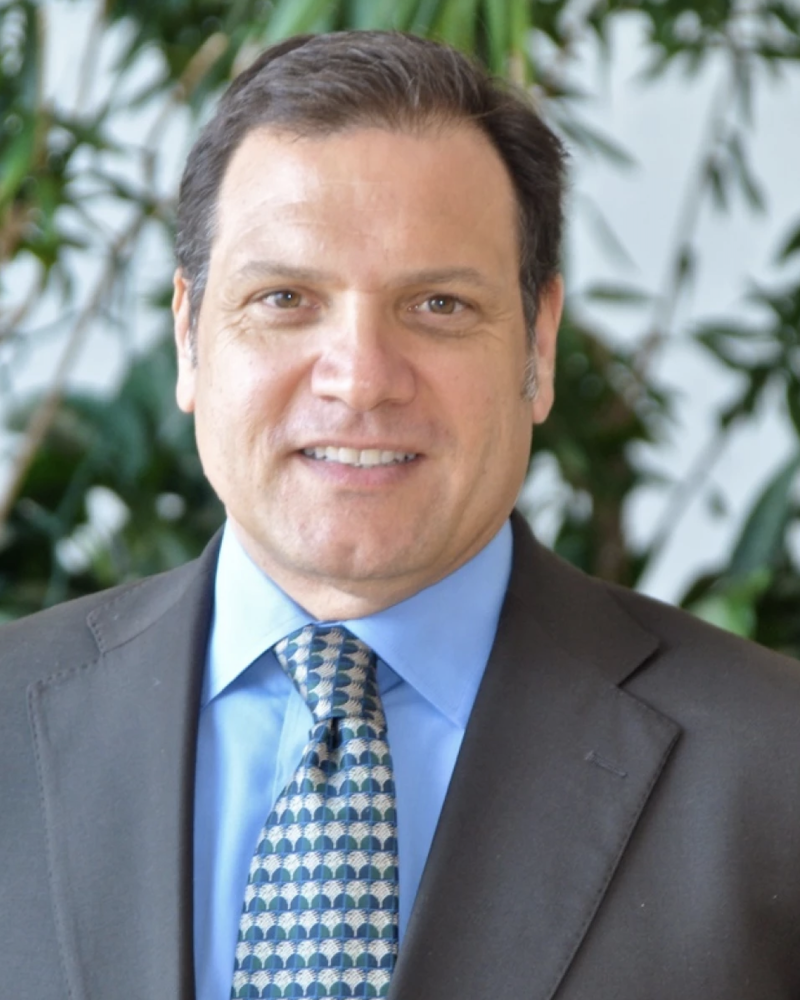
Sam Fiorello is the President and CEO of the Cortex Innovation Community. Home to over 400 companies and support organizations that employ more than 6,000 people, Cortex is an innovation community strategically built around the idea that working together is the only way to tackle big problems. To help address the grand problems, Cortex serves as a catalyst for innovation that brings together big-thinking problem solvers with state-of-the-art resources, facilities, and innovative programming to inspire and drive collaboration.
Mr. Fiorello’s areas of focus for Cortex includes a greater emphasis on equality, diversity, and inclusion, job creation, and further investments in our community. The Cortex Innovation Community has been cited by the Brookings Institution and the Global Institute of Innovation Districts as a “best practice among urban innovation districts.”
Before joining Cortex, Sam spent over two decades at the Donald Danforth Plant and Science Center, where he served as Chief Operating Officer and Senior Vice President for Administration and Finance. His involvement in the Danforth Center started while at Monsanto when he was tasked with helping to formulate the plan that would eventually lead to the establishment of the Center. Under his leadership, the Danforth Plant Science Center grew to become the world’s largest independent research institute focused on plant science.
Since 2008 Sam also served as the President of the Bio Research & Development Growth Park (BRDG), the Danforth Center’s affiliated research park focused on ag-tech companies from start-up to growth phase to divisions of large multinationals. During this period Sam also founded the Ag Innovation Showcase, an annual ag-tech innovation conference that became an industry gold standard.
Before moving to the Danforth Center, Sam worked at Monsanto Company. While at Monsanto, Sam worked on international public-private partnerships in places like Brazil, India, Indonesia, and other parts of Southeast Asia. His success in creating public-private partnerships helped develop and hone skills that would be invaluable for his later work at the Danforth Center, BRDG Park, and now at Cortex.
Sam was born in Madison, Wisconsin, and is a first-generation Italian American. He earned a bachelor’s degree in Business from the University of Wisconsin and a master’s degree in public administration from the Lyndon B Johnson School of Public Affairs at the University of Texas.
Laura Huffman
CEO and Co-Founder CivicSol
Bio
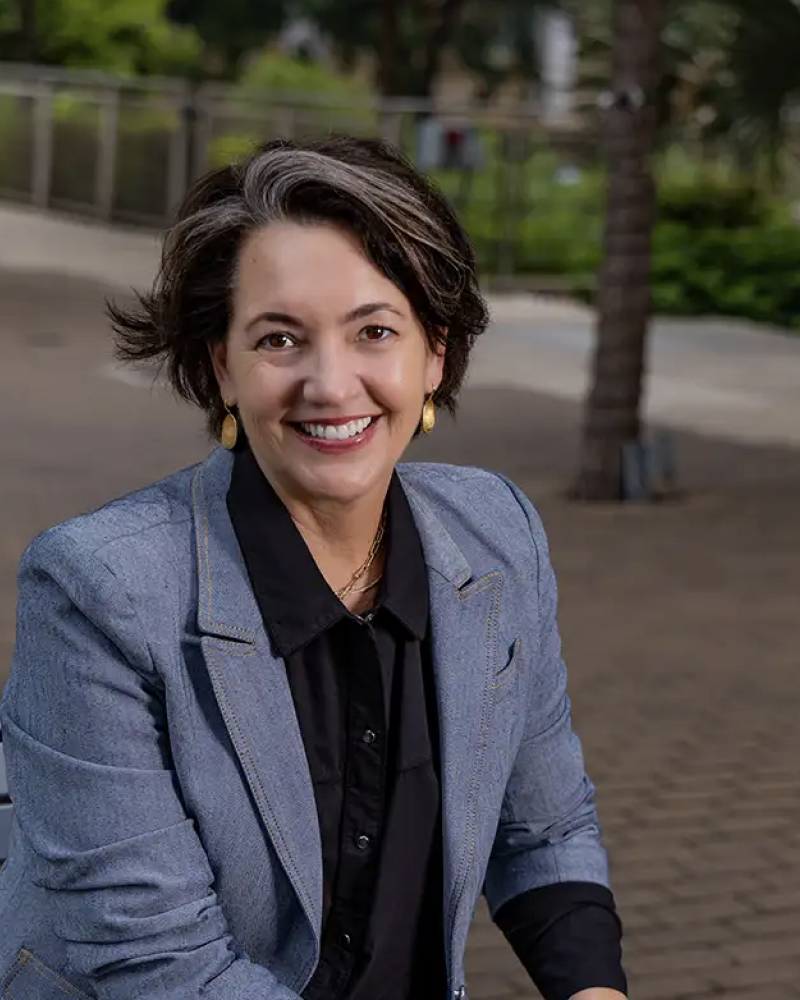
Laura Huffman is a sought-after public sector leader and strategist who co-founded CivicSol to help communities move from vision to execution. As CEO, she guides the firm’s work with cities, foundations, and civic institutions—drawing on over 25 years of executive experience. Laura has led transformative efforts across infrastructure, economic development, and urban revitalization, and is known for her ability to broker complex negotiations and forge impactful public-private partnerships. She brings clarity, calm, and focus to high-stakes environments—ensuring CivicSol clients move forward with actionable strategies and confidence.
She serves on the Board of Directors for the United Way for Greater Austin and the Austin Area Research Organization (AARO). Laura holds a bachelor’s degree in political science from Texas A&M University and a master’s degree in public affairs from the LBJ School of Public Affairs at The University of Texas at Austin.

Paul Jack
Senior Managing Director
Texas Regional Bank
Bio
Mr. Jack has over 25 years of experience in the structuring and issuance of debt obligations for political entities in Texas and the U.S. While serving as financial advisor or underwriter, Mr. Jack has managed or supported the bond issuance process for over $35 billion in debt obligations.
Prior to Estrada Hinojosa, Mr. Jack worked for J.P. Morgan, Public Financial Management and Citigroup. His public finance experience includes a wide spectrum of public projects including general city infrastructure, water and sewer systems, convention centers, stadiums and arenas, public utility systems, school districts, universities, airports, hospitals, and economic development projects. He also serves as an adjunct professor at The University of Texas LBJ School of Public Affairs, teaching Public Financial Management.
Clients have depended on Mr. Jack’s expertise for a wide range of services, such as developing complex analytical spreadsheets for financial modeling, structuring of derivative products, cash flow analyses, project finance debt/revenue models and new money, as well as refunding bond issue sizings. He also served on Transaction Review Committees, which provide guidance and quality control review on all aspects of the structuring of tax-exempt and taxable municipal bond issues and derivative products for clients. In addition, Mr. Jack managed the execution of the bond issuance process, including work with the Texas Bond Review Board, Texas Municipal Advisory Council, Issuer Bond Counsels, Tax Counsels, Underwriters’ Counsels, Financial Advisors, and Trustees.

Cesiah Kessler
President, Kessler Group
Bio
Cesiah Kessler is a workforce strategy consultant with CivicSol, where she partners with public and private sector clients to align economic development, education, and workforce systems. She brings deep expertise in talent development, workforce partnerships, and organizational effectiveness—built through a career spanning both operational and leadership roles in global workforce solutions firms.
Cesiah is also the founder and CEO of the Kezzler Group, a talent development consultancy focused on helping individuals and organizations unlock untapped potential. Through this work, she delivers people-centered strategies that drive measurable outcomes and long-term success. Known for her clarity of vision and systems-level thinking, she brings a cross-sector perspective and a deep commitment to building inclusive, effective pathways to economic opportunity. She holds a bachelor’s degree in business and management from Alverno College.

Monica Medina
CEO
Texas Housing Conservancy
Bio
As CEO and President, Monica is responsible for leading the growth of the organization while overseeing all aspects of operations and strategy. She plays a key role in expanding the organizations nearly $500M portfolio and advancing its mission to preserve affordable housing. With 20 years of banking experience, Monica has held senior leadership positions in Business Banking, Government and Institutional Banking and Commercial Banking at institutions ranging from $5B to $1.8T in assets.
Before stepping into her current role, she served as Senior Vice President and Commercial Banking Leader for Broadway Bank, where she grew the loan and deposit portfolio by 430% in less than two years. Monica has successfully developed national business strategies and managed several hundred-million-dollar portfolios. A dedicated servant leader, she has served on the Mission Capital Board, chaired the Board of H.A.N.D. (now part of Meals on Wheels), and is a Leadership Austin graduate. Her extensive business and community relationships, along with her financial acumen, uniquely equip her to fulfill the organization’s mission of preserving 15,000 units of affordable housing by 2030.
David Morgan
City Manager
City of Georgetown
Bio
David Morgan has served as city manager for the City of Georgetown since his appointment in May 2015. Prior to Georgetown, David worked for the City of Richardson, where he served for 17 years in many positions, including the deputy city manager/chief operating officer for about three years.
As the chief executive officer for the City of Georgetown, David is responsible for the management of the City’s affairs and day-to-day operations, including the preparation and administration of the City’s annual operating and capital budgets, delivery of responsive public safety and utility services, development and upkeep of critical infrastructure, enhancement and maintenance of parks and community amenities, promotion and development of a vibrant downtown, and commercial development growth bringing quality jobs and retail to the community. With an annual budget of more than $ 868 million and a team of over 985 City employees, he works closely with the City Council to implement their goals and to meet the demands of a growing population and service expectations of residents, businesses, and visitors.
David received a bachelor’s degree in communication arts from Austin College in Sherman, Texas, and a master’s degree in public administration from Texas Tech University. Currently, David serves on the Texas City Management Association Board of Directors.

Kimberly Olivares
Deputy Chief Financial Officer
City of Austin
Bio
Kimberly Olivares has a nearly 20-year tenure in local government, currently serving as deputy chief financial officer for the city of Austin, Texas, where she oversees the treasury, strategic facility delivery, economic development financing, and real estate functions. Austin is home to nearly 1,000,000 people and has an operating budget of approximately $4.5 billion. Previously, she was the chief performance officer leading development of the city's first organization-wide strategic plan in well over a decade, performance measurement program, and process improvement consulting. She has also worked for the city of Southlake, Texas, and the city of Tampa, Florida.
Olivares received her B.A. from the University of Notre Dame, Master of Public Affairs from the Lyndon B. Johnson School of Public Affairs at The University of Texas at Austin, and Master of Business Administration from St. Edward's University. She serves on the board of directors for both the Blodgett Fellows in Urban Management nonprofit and the Austin Convention Enterprises Corporation; was recognized as a distinguished alumna of the Lyndon B. Johnson School of Public Affairs by the American Society for Public Administration — Centex Chapter in 2014; and was a Terrell Blodgett Endowment Fellow for Graduate Study in Urban Management and Finance at the LBJ School (2003–04). Kimberly is very active with the Government Finance Officers Association, having served as member and chair of the Committee on Economic Development and Capital Planning and now on the Executive Nominating Committee.

Gina Nash
City Manager
City of Sachse
Bio
Gina Nash was appointed as the City Manager of Sachse in June 2015. Ms. Nash’s career has been centered on public service for more than 25 years. Prior to her time with Sachse, Ms. Nash served as the Assistant City Manager for the City of Forney where she oversaw economic development, engineering, public works, community development, planning and zoning, and parks and recreation. Ms. Nash has also served the cities of Arlington, Chicago, and North Richland Hills in a variety of roles. In addition to her service in the public sector, Ms. Nash also has experience in the private sector working as a management consultant in the government and non-profit division at Arthur Andersen.
Ms. Nash earned a Bachelor of Arts degree in Political Science from Texas A&M University and a Master of Public Administration degree, with an emphasis in local government management, from the University of North Texas.
Ms. Nash is an active member in the International City/County Management Association, the Texas City/County Management Association, and the North Texas City/County Management Association. Ms. Nash is a member of the Texas City Management Association’s Ethics Committee, where she develops and presents ethics training for the statewide association. Additionally, Ms. Nash was recently appointed to serve as the President of the North Texas City Management Association.
Carlton Schwab
President
Texas Economic Development Council
Bio
Carlton Schwab has been President/CEO of the Texas Economic Development Council (TEDC) since February 1st, 1999. During that time, the 1,000-member TEDC has developed into a recognized leader in the professional development of its members and a powerful voice for economic development policy in the state of Texas.
In his role as President/CEO of the TEDC, Mr. Schwab has served on numerous boards and commissions. In 2012, he was named by Governor Perry to the Select Committee on Economic Development – a committee created by the 83rd Texas Legislature to review economic development policy for the state of Texas. In 2015 and 2016 he was the Chair of the Advisory Committee of the Texas Legislative Conference.
In 2017, Mr. Schwab was named an Honorary Life Member of the International Economic Development Council (IEDC) and in November 2022 received the Council of Development Finance Agencies (CDFA) Lifetime Achievement Award.
Prior to his tenure at the TEDC, Mr. Schwab was Director of Development at the LBJ School of Public Affairs at the University of Texas at Austin (1996-1999). From 1989 to 1996, Mr. Schwab was a Director with Deloitte Consulting where he specialized in corporate site location analysis and economic development strategic planning. Mr. Schwab also spent time working in economic development at the local level, having served as Vice President of the Lubbock Board of City Development from 1986 to 1989.
Mr. Schwab raises registered Texas Longhorn cattle and is a Texas Certified Master Naturalist, affiliated with the Balcones Canyonlands Chapter in Austin, Texas.

David Steinwedell
Board Chair
Texas Housing Conservancy
Bio
David H. Steinwedell is a 35+ year veteran of the commercial real estate industry and has worked in a variety of disciplines including public and private investment management, acquisitions, debt, capital markets, investment banking and asset management. David is Founder and Chairman of Affordable Central Texas, the sponsor and investment manager of the $400 million, Austin Housing Conservancy Fund in Austin, TX. Over his career, David has completed over $15 billion in transactions across all property types and as part of private equity funds, REITs and other investment vehicles. A graduate of Hamilton College, David currently serves as past chair of the Austin Economic Development Corporation board and has served on the boards of National Association of Real Estate Investment Managers (NAREIM), ULI Austin and Atlanta, The Trust for Public Land and the Tritt Elementary School Foundation.

Joshua D. Rhodes
Research Scientist
Webber Energy Group | The University of Texas at Austin
Bio
Joshua D. Rhodes, Ph.D. is a Research Scientist at The University of Texas at Austin, a non-Resident Fellow at Columbia University, and a Founding partner of IdeaSmiths LLC. His current work is in the area of smart grid and the bulk electricity system, including spatial system-level applications and impacts of energy efficiency, resource planning, distributed generation, and storage. He is also interested in policy and the impacts that good policy can have on the efficiency of the micro and macro economy. He is also a regular contributor to Forbes and is an AXIOS Expert Voice. He also sits on the boards of Catalyst Cooperative. He holds a double bachelors in Mathematics and Economics from Stephen F. Austin State University, a masters in Computational Mathematics from Texas A&M University, a masters in Architectural Engineering from The University of Texas at Austin and a Ph.D. in Civil Engineering from The University of Texas at Austin. He enjoys mountain biking, rock climbing, and a good cup of coffee.
Program Overview and Details
What Participants Will Gain
The seminar equips city and civic leaders to govern across systems—linking land use, workforce, finance, housing, and infrastructure into a unified strategy. By the end of the program, participants will be better prepared to:
- Build cross-sector partnerships that align workforce pipelines with economic development goals
- Anticipate and address workforce disruptions created by AI and automation
- Navigate capital markets, bond structures, and public-private financing tools for infrastructure
- Modernize zoning and land use to expand housing supply and development readiness
- Structure incentives and investment deals that deliver long-term value for Texas cities
- Lead across agencies, sectors, and jurisdictions to manage growth at scale
Who Should Attend
The Initiative is designed for mid- to senior-level leaders shaping the next decade of growth in Texas cities, including:
- City managers and assistant city managers leading planning, infrastructure, and service delivery
- Economic development and workforce professionals aligning local efforts with state and statewide priorities
- State agency staff and legislative professionals working on land use, capital investment, and policy reform
- County and local leaders managing cross-jurisdictional growth and shared infrastructure
- Real estate and finance professionals bridging private capital and public outcomes
- Institutional and nonprofit partners advancing housing, innovation, and infrastructure delivery
Participants come from across sectors but share a common challenge: leading in a moment of rapid change, with high expectations and limited room for error.
Tuition
Tuition is $1,195. Tuition includes all program-related costs, assessment instruments, instructional materials, most breakfasts and lunches, and some networking events. It does NOT include lodging, per diem, or travel costs. Parking instructions will be provided prior to the training and is included in the cost of the program.
UT System employees receive a 20% discount on registration. To claim the discount, register using your UT-affiliated email address and enter the code UT20TMLI in the credit card name field.